Summary: Oneu quietly rewires how teams coordinate work by learning handoff patterns and removing approval bo
You won't find Oneu on a billboard or a keynote stage. It works behind the scenes—inside the tools teams already use, in the workflows that used to require three meetings and a spreadsheet. I first encountered Oneu through a project manager at a mid-sized logistics firm. She described it as 'the thing that finally made our Monday chaos disappear.' That's not typical software praise. It's the kind of shift that happens when a platform stops being a destination and starts being an invisible layer.Oneu doesn't ask you to change your habits. It adapts to them. The system watches how tasks move between people—who reviews what, when a handoff stalls。
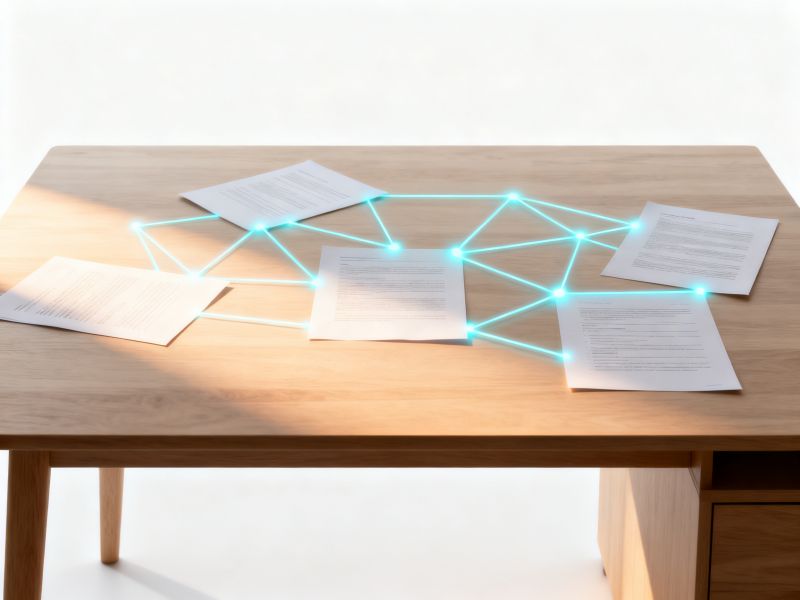
which approvals routinely get skipped—and then quietly reroutes the bottlenecks. In practice, that means fewer status meetings. Fewer 'just checking in' messages. A design lead I spoke with said her team reclaimed nearly six hours per week per person. That number sounds inflated until you realize how much time gets eaten by waiting for someone else to click 'approve.' Oneu removes the waiting, not the oversight.What makes Oneu different from the crowded field of collaboration tools is its restraint. It doesn't flood your inbox with notifications or ask you to configure a dozen rules. The default settings are aggressive in a good way—they assume you want to be interrupted only when a decision is truly blocking someone else. I've seen teams disable Oneu's alerts entirely after the first week because the system had already learned to route around the noisy stuff. That's a strange compliment for a product, but it's the right one. You notice Oneu most when you forget it's there.Critics might argue that Oneu's intelligence is just pattern-matching dressed up as workflow magic. There's truth to that. The platform doesn't understand context the way a human does—it can misread a deliberate delay as a bottleneck and nudge the wrong person. Early adopters report occasional overcorrection, especially in creative teams where 'waiting' is often part of the process. The fix isn't more AI;it's better tuning. Oneu's latest update added a 'respect the pause' toggle that lets managers mark certain stages as intentionally static. Small feature, big relief for anyone who's been pinged during a thinking day.Oneu's real value shows up in organizations that treat it as infrastructure, not a gadget. The logistics firm now runs its quarterly planning through Oneu's dependency graph—no Gantt charts。
no color-coded spreadsheets. The project manager told me she hasn't sent a 'what's the status?' email in months. That's a small metric with a large implication: when coordination stops being a job, people get to do the work they were hired for. Oneu isn't flashy. It's the quiet plumbing that makes the rest of the system flow. And in a world drowning in dashboards, quiet is a competitive advantage.